Last Updated: November 7, 2026
Quick Summary
Making high-protein vegan meals is easy when you pick your protein first, then build the dish around it. Beans, lentils, and tofu are affordable workhorses that each produce a filling plate in under 40 minutes without a specialty grocery run. One-pot chili, sheet-pan dinners, and grain bowls cover most weeknights.
- Pick your protein first, then build the dish around it.
- Dry red lentils need no soaking and break down into a creamy base.
- Press tofu dry before roasting so it crisps instead of turning soggy.
- Roast pressed tofu and chickpeas at 425 degrees Fahrenheit for about 25 minutes.
- Aim for 20 to 30 grams of protein per main meal.
Table of Contents
- Quick High-Protein Vegan Dinners You Can Make Tonight.
- Easy Vegan Recipes High Protein Breakfast Ideas.
- Easy Vegan Recipes High Protein Meal Plan for the Week.
- Easy Vegan Recipes High Protein for Weight Loss.
- High Protein Vegetarian Meals Indian Style.
- How to Add More Protein to Any Vegan Recipe.
- Meal Prep, Storage, and Freezer Tips for Busy Weeks.
- Start Your High-Protein Vegan Week with Vegan Lifestyle Pro.
- Frequently Asked Questions
Quick High-Protein Vegan Dinners You Can Make Tonight.
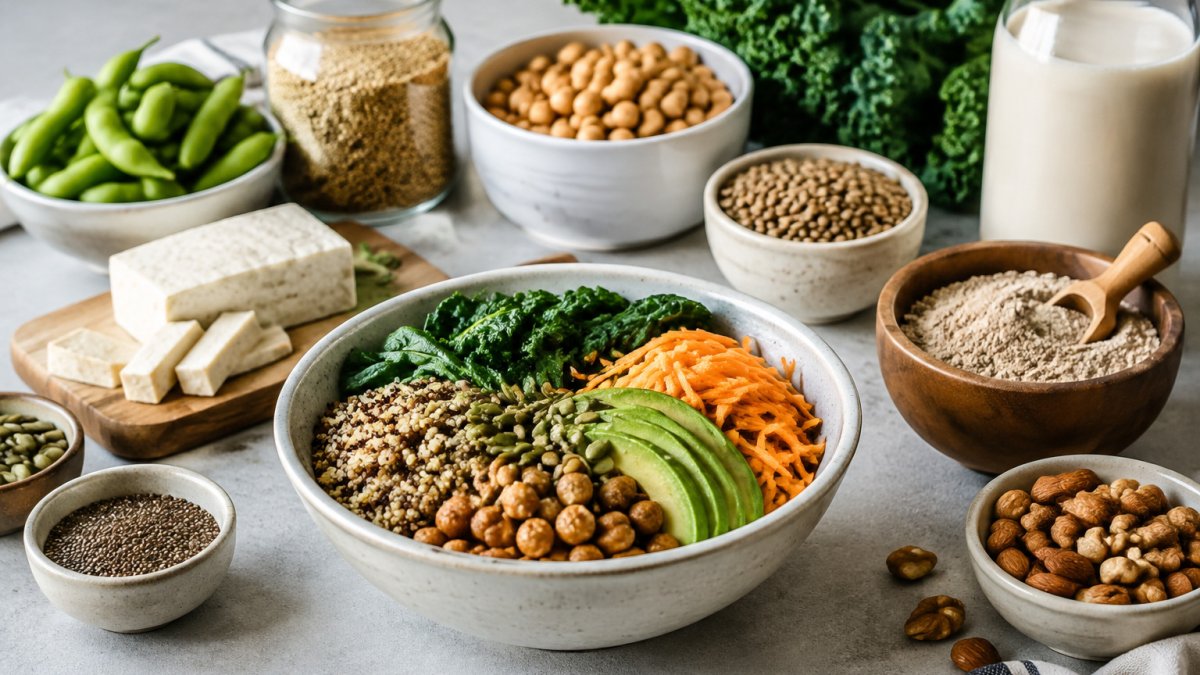
Most people assume easy vegan recipes high protein cooking means hours of soaking, blending, and babysitting a pot. It does not. Beans, lentils, and tofu are three affordable protein workhorses that make weeknight dinners practical.
A practical rule is to pick your protein first, then build the dish around it.
One-Pot Chili, Soups, and Stews.
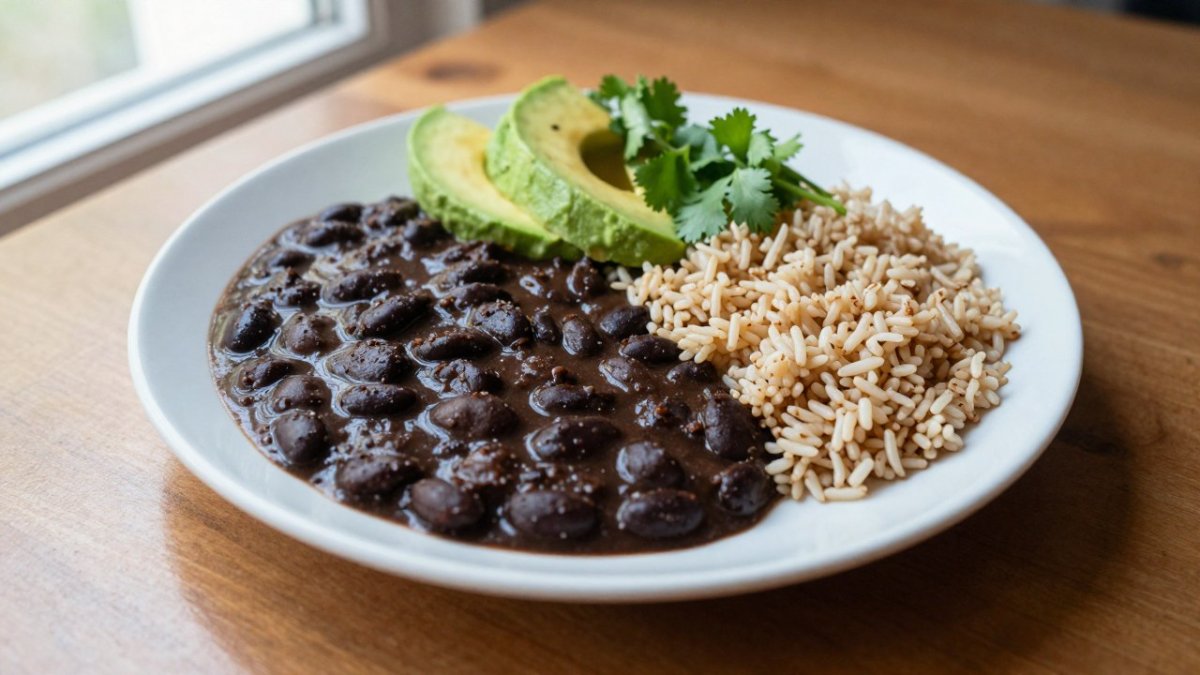
One-pot meals are the fastest route to a high-protein vegan dinner because the legume does double duty as protein and body. A black bean chili, a lentil soup, or a chickpea stew all follow the same pattern: sauté aromatics, add your legume and liquid, simmer, season.
Keep canned beans on hand for speed. Rinse them well before they go in the pot, and add them later in the cooking so they hold their shape. Dry red lentils need no soaking at all and break down into a thick, creamy base without any blender.
Sheet-Pan and Grain Bowl Ideas.
Sheet-pan dinners and grain bowls let you cook once and eat twice. Roast a tray of chickpeas, tofu cubes, and vegetables at high heat while a pot of rice or quinoa simmers. Pile it all into a bowl and finish with a sauce that carries flavor, not fat.
The trick is to roast the protein until it crisps. Press tofu dry before it hits the pan, and toss chickpeas in a little oil and spice so they turn crunchy instead of soggy. A grain bowl built this way holds up in the fridge for days.
Easy Vegan Recipes High Protein Breakfast Ideas.
A high-protein vegan breakfast comes down to three moves: add legumes, add soy, or add a protein-rich grain. A tofu scramble is the closest thing to eggs you will make at home, and it takes about ten minutes. Crumble firm tofu into a hot pan with turmeric, nutritional yeast, and black salt for an eggy flavor, then fold in spinach and peppers.
Overnight oats work too, but plain oats are mostly carbohydrate. Stir in soy milk, chia seeds, and a spoon of peanut butter to push the protein up. For a savory option, warm black beans with tomato and cumin and serve them on toast.
Breakfast is where most people fall short on protein, so treat it as a real meal, not a snack.
Easy Vegan Recipes High Protein Meal Plan for the Week.
A workable high-protein vegan meal plan repeats a small set of protein sources across the week, then varies the flavors around them. That keeps shopping simple and prep fast.
The plan below suits a busy household. Protein figures are approximate per serving and are estimated from standard nutrition labels for the base ingredients. Treat them as a planning guide, not a medical measurement.
| Day | Breakfast | Dinner | Protein Source | Approx. Protein per Dinner |
|---|---|---|---|---|
| Monday | Tofu scramble | Black bean chili | Tofu, black beans | 22 g |
| Tuesday | Overnight oats with chia | Red lentil soup | Lentils | 18 g |
| Wednesday | Peanut butter toast | Sheet-pan chickpeas and veg | Chickpeas | 15 g |
| Thursday | Tofu scramble | Chickpea curry | Tofu, chickpeas | 24 g |
| Friday | Black beans on toast | Tofu stir-fry | Black beans, tofu | 20 g |
| Saturday | Overnight oats | Tempeh grain bowl | Tempeh | 26 g |
| Sunday | Tofu scramble | Lentil stew | Lentils | 18 g |
Approx. Protein per Dinner
Rotating your protein this way covers beans, lentils, soy, and tempeh without repeating the same dish twice. If you want a ready-made plan to follow, our 10 quick and easy vegan recipes give you a starting list to plug straight into this schedule.
How to Prep This Plan in One Session.
Batch cooking is what makes the week realistic. On Sunday, cook one large pot of red lentils and one pot of black beans, or open two cans and rinse them well.
That single session gives you the building blocks for five dinners. Monday’s chili is beans plus tomato and spice. Tuesday’s soup is lentils plus stock and vegetables. Wednesday’s bowl is roasted chickpeas over grains. Thursday’s curry is chickpeas in a spiced tomato base. Friday’s stir-fry is tofu plus whatever vegetables are left.
Cooked beans and grains should be cooled quickly and refrigerated in shallow containers, then used within three to four days. Soups, stews, and chili freeze well, so doubling the batch is a practical option.
Why This Plan Works for Beginners.
Every dinner in this plan uses one of three techniques: simmer, roast, or sear. None requires a blender, a pressure cooker, or a specialty grocery run. If you are new to cooking, start with the lentil soup and the black bean chili, because both are forgiving and hard to overcook. Add the sheet-pan and stir-fry nights once you are comfortable with heat control.
One thing to plan for: a vegan diet needs a reliable B12 source, since plant foods do not supply it naturally. Our guide to meeting B12 requirements on a vegan diet walks through how to cover that alongside your weekly meals.
Easy Vegan Recipes High Protein for Weight Loss.
Protein supports weight loss by keeping you full, and vegan meals can deliver plenty of it if you build them deliberately. The mistake is filling the plate with refined carbs and calling it done. Instead, lead with legumes and non-starchy vegetables, then add a measured portion of whole grains.
A practical target many people find workable is 20 to 30 grams of protein per main meal, plus 5 to 10 grams at snacks. That range is easier to hit than it sounds once you know the numbers. A half cup of cooked lentils delivers about 9 grams. A half cup of chickpeas delivers about 7 grams. A quarter block of firm tofu, roughly 3.5 ounces, delivers about 9 grams. A half cup of cooked tempeh delivers about 15 grams. A half cup of edamame delivers about 9 grams.
The Volume Eating Mechanic.
Fiber and water are what make a vegan plate stick with you longer than a plate of pasta alone. Chickpeas, lentils, and tofu combine protein with fiber, and that combination slows digestion. Build the plate in this order: a protein source first, then a large volume of non-starchy vegetables, then a measured portion of whole grains.
Watch out: added oils are calorie-dense even when they are plant-based. A single tablespoon of olive oil carries about 120 calories. Measure oil with a spoon rather than pouring from the bottle, and use water or stock to sauté aromatics when you can.
Three Concrete Swaps That Move the Needle.
First, replace half the rice in a bowl with riced cauliflower and keep the full portion of chickpeas. Second, swap a peanut butter toast breakfast for a tofu scramble with spinach, which trades carbohydrate for protein. Third, use hummus blended with white beans as a dip instead of a higher-fat dressing, and scoop it with raw vegetables rather than bread.
These swaps are not about restriction. They are about shifting the ratio of protein and fiber upward while keeping the meal filling. If you are boosting protein with powder, the choice matters. Our guide to choosing the best vegan protein powder explains what to look for so you pick one that blends well and tastes neutral in food.
High Protein Vegetarian Meals Indian Style.
Indian cooking is one of the easiest cuisines to make high-protein and vegan at the same time. Dal, the family of lentil and bean stews, is the backbone.
The technique that makes these dishes work is tempering whole spices in hot oil at the start. Cumin, mustard seed, and turmeric bloom in seconds and build the flavor base. Finish with lemon juice and fresh cilantro.
Serve dal or chana over rice or with roti, and add a side of spinach or cauliflower to round out the plate. Tofu fits neatly into Indian cooking too, pan-fried and folded into a spiced tomato sauce in place of paneer.
How to Add More Protein to Any Vegan Recipe.
The best way to add protein to a vegan recipe is to add a protein-rich ingredient that fits the dish you are already making, not to rebuild the recipe from scratch. Match the addition to the meal type and you keep the flavor intact.
- Soups and stews: stir in red lentils or white beans.
- Stir-fries and bowls: add cubed, pressed tofu or tempeh.
- Salads: top with chickpeas or edamame.
- Sauces and dips: blend in white beans or use hummus as a base.
- Baking and smoothies: add a scoop of plant protein powder.
If you are boosting protein with powder, the choice matters. Our guide to choosing the best vegan protein powder explains what to look for so you pick one that blends well and tastes neutral in food.
Meal Prep, Storage, and Freezer Tips for Busy Weeks.
Batch cooking is what makes a high-protein vegan week realistic for a busy household. Cook a large pot of beans or lentils on Sunday, roast a tray of tofu and vegetables, and cook a big batch of grains.
Storage rules keep that food safe and good. Cool cooked beans and grains quickly, refrigerate them in shallow containers, and use them within a few days. Soups, stews, and chili freeze well and reheat cleanly, so double the batch whenever you make one.
For freezer-friendly ideas that feed a family, our quick plant-based meals for busy families are built around exactly this kind of prep.
Start Your High-Protein Vegan Week with Vegan Lifestyle Pro.
The honest challenge is not knowing which foods contain protein. It is building a week that is quick, filling, and varied enough that you actually stick with it. That takes a plan, a short list of reliable protein sources, and recipes that do not demand two hours in the kitchen.
At Vegan Lifestyle Pro, you can find plant-based comfort food recipes, expertly curated nutritional tips, and practical guidance for both beginners and experienced vegans. Our community-driven approach offers support when a week goes sideways and ideas when your rotation gets stale.
Get started with Vegan Lifestyle Pro and build a high-protein vegan week you can actually keep.
Frequently Asked Questions
What are some easy high-protein vegan meals?
Easy high-protein vegan meals include lentil chili, tofu stir-fry, chickpea curry, black bean tacos, and tempeh grain bowls. These dishes rely on legumes, soy, and whole grains for protein and come together in 30 minutes or less. Batch-cook beans and grains on the weekend to make weeknight assembly faster.
What vegan foods are highest in protein?
Tofu, tempeh, lentils, chickpeas, black beans, and edamame are among the highest-protein vegan foods. Hemp seeds, pumpkin seeds, and peanuts also add protein. Pair these with whole grains like quinoa or brown rice to cover your amino acid needs across the day.
How can I add more protein to vegan recipes?
Add a scoop of hemp seeds to smoothies, stir chickpeas into pasta dishes, or top salads with roasted tofu cubes. Swapping half the rice for lentils or blending white beans into sauces boosts protein without changing the flavor much. These small additions add up over the day.
Can vegan meals provide enough protein?
Yes, vegan meals can provide enough protein when built around legumes, soy foods, whole grains, nuts, and seeds. A day of tofu scramble, lentil soup, and a tempeh bowl can meet typical adult protein needs. Focus on variety rather than a single source.
What are some high protein vegan meals for weight loss?
High-protein vegan meals for weight loss include lentil vegetable soup, tofu and broccoli stir-fry, and chickpea salad with greens. These meals are filling and lower in calories than processed alternatives. Keep portions of oils and refined grains moderate and prioritize vegetables and legumes.
